
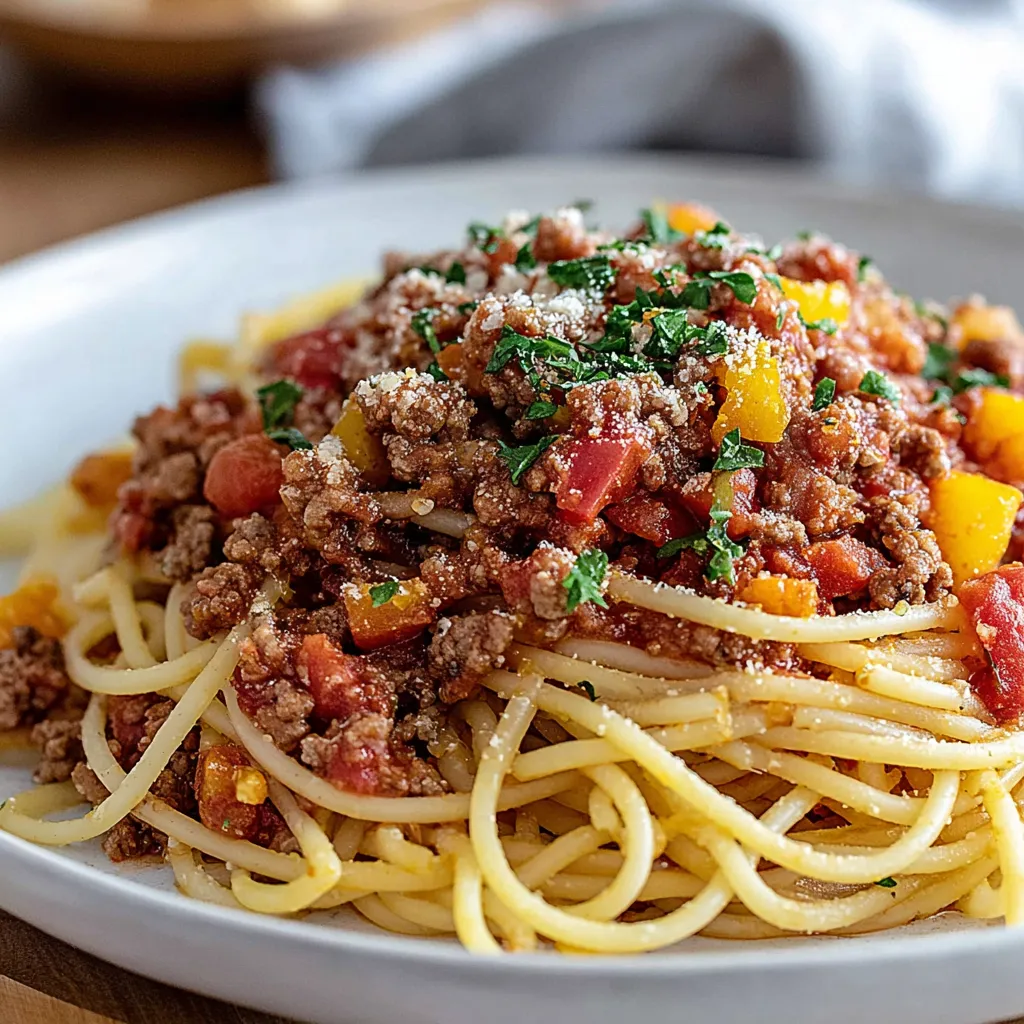
Growing up in a small German town, I have the most vivid memories of my grandmother’s famous German Spaghetti dish. It was a staple in our household, and the aroma of the simmering sauce would fill the air, drawing us all to the kitchen table. Even as a child, I was mesmerized by the rich flavors and the perfect al dente texture of the noodles.
Grandma always had a special trick up her sleeve when it came to her German Spaghetti. She would sauté the onions and garlic just until they were fragrant, then add a secret blend of spices that gave the sauce an irresistible depth of flavor. The real magic, though, happened when she would let the sauce simmer for hours, allowing the flavors to meld and intensify.
One of my favorite memories is standing on a stool next to Grandma, carefully watching her add the final touches to the dish. She’d toss the noodles with the sauce, making sure every strand was coated, and then she’d sprinkle a generous amount of freshly grated Parmesan on top. The way the cheese would melt and create those delightful pockets of flavor still makes my mouth water.
Whenever I make German Spaghetti now, I can’t help but feel a sense of nostalgia and connection to my roots. It’s more than just a dish – it’s a story, a tradition, and a celebration of the simple pleasures in life.
Why This German Spaghetti Recipe Will Become Your Go-To
The Secret Behind Perfect German Spaghetti
What sets this German Spaghetti recipe apart is the attention to detail and the focus on building layers of flavor. From the perfect al dente texture of the noodles to the rich, velvety sauce, every element has been meticulously crafted to create a truly exceptional dining experience. The secret lies in the slow-simmered sauce, which allows the spices and herbs to infuse the tomatoes, creating a depth of flavor that can’t be replicated by a quick-cook method.
Essential Ingredients You’ll Need
- Spaghetti – The foundation of this dish, you’ll want to use a high-quality, al dente spaghetti to hold up to the robust sauce.
- Onions – Sautéed until golden brown, the onions add sweetness and depth to the sauce.
- Garlic – Minced garlic is essential for that signature German Spaghetti flavor.
- Tomatoes – A mix of crushed and diced tomatoes creates the perfect texture for the sauce.
- Spices – A blend of oregano, basil, and a touch of red pepper flakes give the sauce its signature German twist.
- Parmesan – Freshly grated Parmesan cheese adds a nutty, umami-rich flavor to the dish.
Step-by-Step German Spaghetti Instructions
Preparing Your German Spaghetti
This German Spaghetti recipe is relatively straightforward, but the key is in the attention to detail. From the perfect al dente texture of the noodles to the rich, slow-simmered sauce, every step is crucial. With a total cooking time of about an hour and a half, this dish is worth the wait and will reward you with a truly exceptional meal.
1- Begin by bringing a large pot of salted water to a boil. Add the spaghetti and cook according to package instructions, stirring occasionally, until al dente.
2- In a large skillet, sauté the onions in olive oil over medium heat until they’re translucent and starting to caramelize, about 8-10 minutes. Add the minced garlic and cook for an additional 2 minutes, being careful not to let the garlic burn.
3- Pour in the crushed tomatoes and diced tomatoes, along with the oregano, basil, red pepper flakes, salt, and pepper. Stir to combine and let the sauce simmer for at least 30 minutes, stirring occasionally, to allow the flavors to meld.
4- Taste the sauce and adjust the seasoning as needed. You’re looking for a perfect balance of acidity, sweetness, and heat.
5- Once the spaghetti is cooked, drain it well and add it directly to the skillet with the sauce. Toss the noodles and sauce together, making sure every strand is coated.
6- Serve the German Spaghetti hot, garnished with a generous sprinkle of freshly grated Parmesan cheese. Enjoy!
Pro Tips for Success
- Be patient with the sauce – the longer it simmers, the more the flavors will develop.
- Use a combination of crushed and diced tomatoes for the perfect texture.
- Don’t be afraid to experiment with the spice blend to suit your personal taste preferences.
- Freshly grated Parmesan cheese makes all the difference in the final dish.
- Overcooking the pasta is the enemy – aim for that perfect al dente texture.
Serving and Storing Your German Spaghetti
Perfect Pairings for German Spaghetti
German Spaghetti is the ultimate comfort food, and it pairs beautifully with a variety of side dishes and beverages. Consider serving it with a fresh garden salad, a crusty loaf of garlic bread, or a side of roasted vegetables for a well-rounded meal. As for drinks, a crisp white wine or a refreshing iced tea would be the perfect accompaniment.
Storage and Make-Ahead Tips
German Spaghetti is a dish that actually gets better with time, as the flavors continue to meld and develop. If you have leftovers, simply store them in an airtight container in the refrigerator for up to 4 days. When ready to reheat, you can either do so on the stovetop over low heat or in the microwave, adding a splash of water or broth to prevent the noodles from drying out.
For make-ahead convenience, you can prepare the sauce in advance and store it separately from the cooked spaghetti. When ready to serve, simply reheat the sauce and toss it with the freshly cooked noodles. This allows you to enjoy the full flavor of the dish without the time commitment on the day of.
Variations and Dietary Adaptations for German Spaghetti
Creative German Spaghetti Variations
While the classic German Spaghetti recipe is a true delight, there are plenty of ways to put your own spin on this dish. For a heartier version, you can add ground beef or Italian sausage to the sauce. Vegetarians and vegans can opt for a plant-based protein, such as crumbled tofu or plant-based meatballs. Experimenting with different types of pasta, such as whole-wheat or gluten-free options, can also add variety.
Making German Spaghetti Diet-Friendly
For those following a gluten-free diet, simply swap the traditional spaghetti for a gluten-free alternative, such as brown rice or quinoa pasta. To reduce the carb count, you can use spiralized zucchini or spaghetti squash in place of the pasta. For a vegan version, omit the Parmesan cheese and use a plant-based cheese or nutritional yeast instead.
Frequently Asked Questions
Q: Can I use canned diced tomatoes instead of crushed tomatoes?
A: Absolutely! Canned diced tomatoes will work just fine in this recipe. The key is to let the sauce simmer for at least 30 minutes to allow the flavors to meld, regardless of the tomato type you use.
Q: How can I ensure the spaghetti doesn’t overcook?
A: The key to perfectly al dente spaghetti is to set a timer and check it a minute or two before the suggested cooking time on the package. Taste a strand to ensure it has a nice bite to it, then drain the pasta immediately.
Q: Can I make the sauce ahead of time?
A: Absolutely! The sauce actually benefits from being made a day or two in advance. Simply store it in an airtight container in the refrigerator until you’re ready to toss it with the freshly cooked spaghetti.
Q: How many servings does this German Spaghetti recipe make?
A: This recipe will serve 4-6 people, depending on portion sizes. If you’re feeding a larger crowd, you can easily scale up the ingredients to make more.
Q: What if the sauce is too thick or too thin?
A: If the sauce is too thick, you can thin it out by adding a splash of the pasta cooking water or a bit of broth. If it’s too thin, let it simmer a little longer to allow some of the excess liquid to evaporate.
German Spaghetti
- Total Time: 30
- Yield: 4
Description
Enjoy a quick and flavorful German spaghetti dish made with ground beef, tangy tomatoes, and al dente pasta. This comforting meal is perfect for a busy weeknight.
Ingredients
– 1 lb ground beef
– 1 onion, diced
– 3 cloves garlic, minced
– 1 (28 oz) can diced tomatoes
– 1 (6 oz) can tomato paste
– 1 tsp dried oregano
– 1 tsp dried basil
– 1/2 tsp salt
– 1/4 tsp black pepper
– 12 oz spaghetti noodles
– Chopped parsley for garnish
Instructions
1. 1. In a large skillet, cook the ground beef over medium-high heat until browned and crumbled, 5-7 minutes. Drain excess fat.
2. 2. Add the diced onion and minced garlic to the skillet. Cook for 2-3 minutes until fragrant.
3. 3. Pour in the diced tomatoes and tomato paste. Stir in the oregano, basil, salt, and pepper. Simmer for 10-15 minutes, stirring occasionally, until the sauce has thickened.
4. 4. Meanwhile, cook the spaghetti noodles according to package instructions. Drain and set aside.
5. 5. Add the cooked spaghetti noodles to the skillet and toss to combine with the sauce.
6. 6. Serve the German spaghetti hot, garnished with chopped parsley.
Notes
For a heartier meal, serve with a side salad and garlic bread. You can also add sliced mushrooms or bell peppers to the sauce.
- Prep Time: 10
- Cook Time: 20
- Category: Main Course
- Method: Stovetop
- Cuisine: German, American
Conclusion
German Spaghetti is a beloved family recipe that’s been passed down through generations, and now it can be yours to enjoy. With its rich, flavorful sauce, perfectly cooked noodles, and the irresistible touch of Parmesan, this dish is sure to become a new staple in your household. Don’t be afraid to get creative and put your own spin on it – the beauty of this recipe is in its versatility. So, what are you waiting for? Grab your apron, fire up the stovetop, and get ready to experience the magic of German Spaghetti!