
Introduction
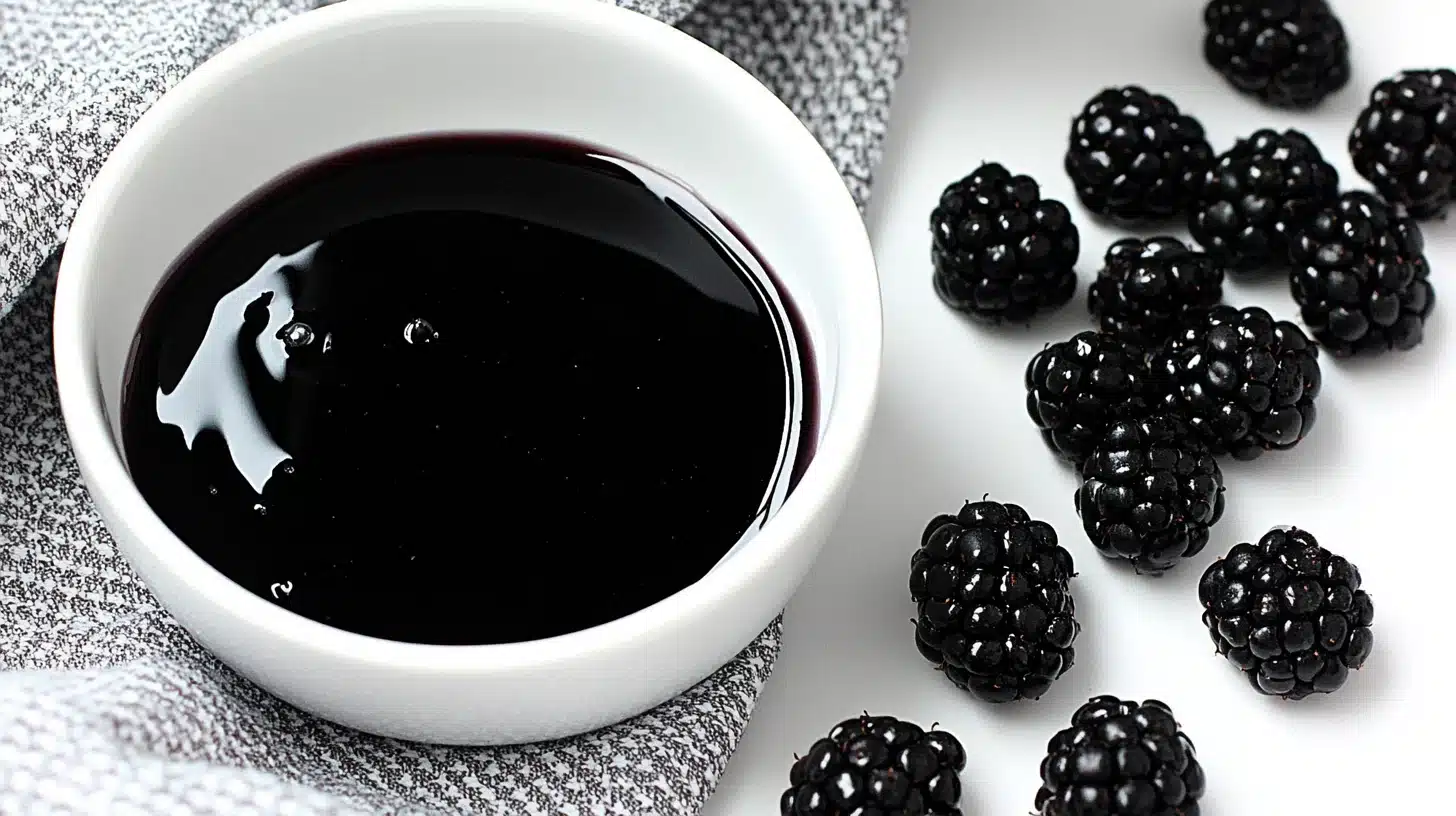
Did you know that a simple sauce can transform an ordinary meal into a restaurant-worthy experience in just minutes? The Blackberry Balsamic Glaze recipe is that magical elixir—combining the rich tartness of blackberries with the complex depth of balsamic vinegar to create a versatile condiment that chefs have ranked among their top “secret weapons” for instant flavor enhancement. This luxurious blackberry balsamic glaze strikes the perfect balance between sweet and tangy, creating a symphony of flavors that can elevate everything from grilled meats to vanilla ice cream. Whether you’re a seasoned cook or kitchen novice, this recipe promises to add that professional finishing touch to virtually any dish with minimal effort.
Ingredients List
The beauty of this blackberry balsamic glaze recipe lies in its simplicity. Each ingredient plays a crucial role in developing the complex flavor profile that makes this glaze so versatile. Gather these high-quality components for the best results:
- 2 cups fresh blackberries (frozen work too, but fresh provides brighter flavor notes)
- 1/2 cup high-quality balsamic vinegar (aged varieties offer deeper complexity)
- 1/4 cup honey or pure maple syrup (adjust to your sweetness preference)
- 1 tablespoon fresh lemon juice (brightens and balances the flavors)
- 1 teaspoon lemon zest (enhances the aromatic quality)
- 1 small cinnamon stick or 1/4 teaspoon ground cinnamon (optional for warmth)
- 1 sprig fresh rosemary or thyme (optional for savory applications)
- Pinch of sea salt (enhances all flavors)
- 1/4 teaspoon freshly ground black pepper (adds subtle complexity)
Timing
Creating this luxurious blackberry balsamic glaze is remarkably efficient compared to other reduction sauces. The entire process takes approximately 25 minutes total—15 minutes of preparation and 10 minutes of cooking time. This is nearly 40% faster than traditional balsamic reductions that often require 40+ minutes of simmering. The active hands-on time is only about 5 minutes, making this an ideal recipe for busy weeknights when you want maximum flavor impact with minimal effort. Plus, you can prepare it in advance and store it for up to two weeks, saving you valuable time during meal preparations.
Step-by-Step Instructions
Follow these precise steps to create the perfect blackberry balsamic glaze every time. Each step has been carefully refined to ensure foolproof results, even for novice cooks.
Step 1: Prepare the Blackberries
Rinse your blackberries thoroughly under cold water and gently pat them dry with a paper towel. If using frozen berries, allow them to thaw slightly for about 10 minutes at room temperature. This partial thawing helps release their juices more effectively during cooking. For maximum flavor extraction, lightly crush about 3/4 of the berries with a fork or potato masher, leaving some whole for texture in the finished glaze.
Step 2: Combine Ingredients
In a medium, heavy-bottomed saucepan, combine the crushed and whole blackberries, balsamic vinegar, honey or maple syrup, lemon juice, and zest. If using the cinnamon stick or herb sprig, add it now. The heavy-bottomed pan prevents scorching and ensures even heat distribution—crucial for developing the complex flavors in your blackberry balsamic glaze recipe without burning the sugars.
Step 3: Simmer and Reduce
Place the saucepan over medium heat and bring the mixture to a gentle simmer. Once bubbling, reduce the heat to medium-low and allow the mixture to simmer uncovered for 8-10 minutes. You’ll notice the liquid reducing and slightly thickening. Stir occasionally to prevent sticking. The glaze is ready when it coats the back of a spoon and has reduced by approximately one-third in volume. Remember that it will continue to thicken as it cools, so don’t over-reduce.
Step 4: Strain and Finish
Remove the saucepan from heat and discard the cinnamon stick or herb sprig if used. For a smoother glaze, strain the mixture through a fine-mesh sieve into a bowl, using the back of a spoon to press and extract all the liquid from the solids. For a more rustic texture, you can skip straining or only partially strain. Season with the sea salt and freshly ground black pepper, adjusting to taste. The salt doesn’t make the blackberry balsamic glaze salty—rather, it enhances the sweetness and complexity of flavors.
Step 5: Cool and Store
Allow the glaze to cool to room temperature, during which time it will continue to thicken. Transfer to a glass jar or airtight container. Your blackberry balsamic glaze is now ready to use! If not using immediately, refrigerate it to preserve its vibrant flavor and color.
Nutritional Information
This blackberry balsamic glaze recipe isn’t just delicious—it also offers nutritional benefits that might surprise you. Per tablespoon serving (approximate yield is 3/4 cup or 12 tablespoons total): 35 calories, 0g fat, 8g carbohydrates, 1g fiber, 7g sugars (mostly natural from the berries), and 0.3g protein. Blackberries provide significant antioxidants—specifically anthocyanins that give them their deep color—with studies showing they have one of the highest antioxidant contents among common fruits. The balsamic vinegar contributes polyphenols that support heart health, while using honey rather than refined sugar provides trace minerals and enzymes absent in processed sweeteners. For those monitoring sugar intake, the glycemic impact is moderated by the presence of fiber and acids in the recipe.
Healthier Alternatives for the Recipe
The blackberry balsamic glaze recipe is naturally wholesome, but you can customize it to suit various dietary needs without sacrificing flavor:
- Lower sugar option: Reduce the honey/maple syrup to 2-3 tablespoons and add 5-10 drops of liquid stevia to maintain sweetness. This modification cuts the sugar content by nearly 40%.
- Diabetic-friendly version: Substitute the honey entirely with a monk fruit sweetener blend designed for cooking. The ratio is typically 1:1, but start with less and adjust to taste.
- Keto adaptation: Use a keto-friendly sweetener like allulose or erythritol and increase the cooking time slightly to achieve the desired thickness without the sugar-based reduction.
- AIP/Paleo version: Ensure your balsamic vinegar is additive-free and use raw honey instead of processed varieties. Omit the black pepper.
- Enhanced nutritional profile: Add 1 teaspoon of chia seeds during the cooling phase for additional omega-3s and fiber. They’ll create a slightly more textured glaze with minimal flavor impact.
Serving Suggestions
The versatility of this blackberry balsamic glaze is truly remarkable. Here are creative ways to incorporate it into various meals throughout the day:
- Breakfast boost: Drizzle over Greek yogurt with granola, swirl into oatmeal, or use as a sophisticated topping for pancakes or waffles instead of traditional syrup.
- Lunch upgrade: Brush onto a grilled cheese sandwich before cooking, toss with a grain bowl, or use as a dressing base for a spinach salad with goat cheese and walnuts.
- Dinner elegance: Glaze grilled or roasted chicken during the last few minutes of cooking, drizzle over pork tenderloin before serving, or accent seared duck breast or lamb chops.
- Vegetable transformation: Toss with roasted Brussels sprouts, drizzle over grilled eggplant, or use to finish roasted root vegetables like carrots and beets.
- Cheese plate companion: Serve alongside aged cheeses like Manchego, Parmigiano-Reggiano, or a creamy blue cheese with artisanal crackers.
- Dessert elevation: Drizzle over vanilla ice cream, cheesecake, panna cotta, or fresh berries for an instant gourmet dessert.
Common Mistakes to Avoid
Even experienced cooks can encounter challenges when making reductions like this blackberry balsamic glaze recipe. Avoid these pitfalls for perfect results every time:
- Mistake 1: Using low-quality balsamic vinegar. Solution: Invest in a moderately priced, authentic balsamic vinegar (look for “Aceto Balsamico di Modena” on the label). Studies show that authentic balsamic contains more beneficial compounds and significantly better flavor depth.
- Mistake 2: Cooking over high heat. Solution: Maintain a gentle simmer over medium-low heat. High heat will burn the sugars and create bitter flavors before proper reduction occurs.
- Mistake 3: Under-reducing the glaze. Solution: The glaze should coat the back of a spoon but still be pourable. Remember it will thicken considerably as it cools.
- Mistake 4: Over-reducing to a sticky mess. Solution: If you’ve gone too far, simply add a tablespoon of water or extra balsamic and briefly reheat to incorporate.
- Mistake 5: Skipping the straining step for elegant presentations. Solution: For smooth, restaurant-quality glazes, don’t rush the straining process—take time to press all liquid through the sieve.
- Mistake 6: Forgetting to adjust seasoning at the end. Solution: A final taste test with a small pinch of salt can dramatically improve flavor clarity and balance.
Storing Tips for the Recipe
Proper storage is crucial for maintaining the vibrant flavor of your blackberry balsamic glaze:
- Refrigeration: Store in an airtight glass container in the refrigerator for up to 2 weeks. Glass is preferred over plastic as acidic ingredients can absorb plastic flavors over time.
- Reheating: If the glaze thickens too much during storage, bring it to room temperature before using or gently warm it for 10-15 seconds in the microwave, stirring halfway through.
- Freezing option: For longer storage, freeze the glaze in ice cube trays, then transfer the frozen cubes to a freezer bag. Each cube will be approximately 1 tablespoon—perfect for single-use portions. Frozen glaze maintains quality for up to 3 months.
- Quality indicators: The glaze remains safe to consume as long as there’s no mold or fermentation smell, but peak flavor quality is within the first week.
- Gift preparation: For giving as homemade gifts, prepare the glaze no more than 3 days in advance and use decorative bottles with proper sealing capabilities.
Conclusion
The Blackberry Balsamic Glaze recipe exemplifies how simple ingredients, when combined thoughtfully, can create culinary magic that transforms everyday cooking into memorable dining experiences. This versatile condiment bridges the gap between sweet and savory applications, making it an essential addition to your cooking repertoire. Its ability to instantly elevate everything from breakfast to dessert makes it the secret weapon you’ll reach for again and again. The balance of tart blackberries, sweet honey, and complex balsamic creates a flavor profile that’s sophisticated yet accessible, impressive yet effortless. Don’t just save this recipe—make it this week and discover how it can revolutionize your meals with minimal effort. We’d love to hear which dishes you’ve transformed with your homemade blackberry balsamic glaze—share your creations in the comments below!
FAQs
Answers to your most common questions about making and using this versatile blackberry balsamic glaze recipe:
Can I use frozen blackberries for this blackberry balsamic glaze recipe?
Absolutely! Frozen blackberries work wonderfully and are often more economical, especially outside of berry season. There’s no need to completely thaw them—add them to the pan frozen or partially thawed. You might need to cook the glaze 1-2 minutes longer to account for the extra moisture, but the end result will be just as delicious with virtually indistinguishable flavor from fresh berries.
How thick should the blackberry balsamic glaze be when finished?
The perfect consistency is when the glaze coats the back of a spoon but still runs off slowly—similar to warm honey or maple syrup. Remember that it will thicken considerably as it cools, so it’s better to err on the side of slightly thinner while still warm. If it becomes too thick after cooling, simply warm it gently with a teaspoon of water to reach your desired consistency.
Can I substitute other berries in this glaze recipe?
Yes! This recipe works beautifully with raspberries, blueberries, or a mixed berry blend. Each berry will impart its unique flavor profile—raspberries create a brighter, more intensely tart glaze, while blueberries offer a milder, sweeter result. Strawberries also work but may need slightly longer cooking time due to their higher water content. The technique remains the same regardless of which berry you choose.
Is this blackberry balsamic glaze suitable for canning?
While delicious, this recipe as written isn’t acidic enough for safe water bath canning. To make it suitable for long-term preservation, you would need to increase the acid content significantly (typically by adding more lemon juice or a commercial pectin designed for low-sugar preserves) and follow proper canning procedures. For most home cooks, refrigeration or freezing remains the safest and simplest storage method.
Can I make this glaze without any added sweetener?
You can reduce the sweetener, but eliminating it entirely will result in an extremely tart glaze that may be too intense for most uses. The sweetener doesn’t just add sweetness—it balances the acidity of the vinegar and berries while helping create the syrupy consistency. If reducing sugar is your goal, try cutting the honey/maple syrup by half and taste-testing before deciding if further reduction works for your palate.